
Παίξτε μπροστά $step 1 Καζίνο με ελάχιστη κατάθεση
septiembre 1, 2026Pärisraha sadamad Ameerika Ühendriikides: Parimad online-positsioonide Trinocasino sisselogimise registreerimine veebisaidid 2026. aastal
septiembre 1, 2026
al

The Nature of Luck in Casino Games
Luck is often portrayed as the primary factor determining outcomes in casino games. Many players walk into a casino believing that luck is an elusive force that can be harnessed or manipulated, especially when trying their hand at online pokies and other games of chance. However, understanding that luck is simply random chance can help players approach these games with a clearer mindset. The idea that luck can be influenced by specific actions, such as wearing a «lucky» shirt or performing certain rituals, is more folklore than fact.
Statistical probability drives the outcomes of casino games rather than luck. Each game, be it slots, poker, or blackjack, is designed with a specific house edge based on mathematical calculations. This means the underlying mechanics are systematic, and over time, the house will consistently wear down players’ bankrolls, regardless of perceived luck. Therefore, while players might experience streaks of good or bad luck, in the long run, the odds always favor the casino.
Understanding the role of luck in casino games helps demystify common beliefs. Players often recount personal anecdotes of winning big due to gut feelings or lucky circumstances, but these stories are often anecdotal. The randomness inherent in games is statistically predictable over an extended period, making it clear that while luck may play a part in the short term, it does not significantly influence long-term outcomes.
The Role of Skill in Gambling
In contrast to the myths surrounding luck, many casino games involve an element of skill that can profoundly affect results. Card games, such as poker and blackjack, require strategic thinking and decision-making that go beyond chance. Skilled players can use their knowledge of probabilities, psychology, and game theory to maximize their advantages and manage risks effectively, diminishing the role of luck in their outcomes.
Even in games typically viewed as purely luck-based, such as roulette, skillful players can influence their success through informed betting strategies. Understanding the different types of bets, their respective payouts, and the nature of randomness can help players mitigate losses. This strategic understanding helps navigate the often deceptive nature of luck, leading to more informed decisions and potentially higher returns.
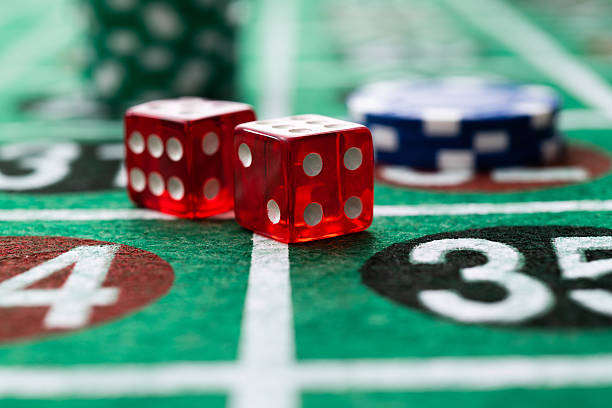
Ultimately, while luck is an undeniable factor in gambling, the importance of skill cannot be overstated. Players who invest time in learning the intricacies of their chosen games can often outperform those who rely solely on luck. This nuanced understanding enhances the gaming experience, turning it into an engaging mix of chance and intellect, which can be both challenging and rewarding.
Understanding House Edge and Odds
Every casino game is designed with a house edge that ensures the casino profits in the long run. This edge varies from game to game, and understanding it is crucial for any player. It is a statistical advantage that the casino holds over players, meaning that over time, the house will earn a percentage of all wagers. This fact serves as a reality check against the myths surrounding luck and winning big.
For example, slot machines typically have a higher house edge compared to table games like blackjack, where skilled players may reduce the house advantage by employing optimal strategies. Knowing the odds of each game allows players to make informed decisions about where to place their bets and how much they can afford to lose. This analytical approach demystifies the notion that luck alone dictates outcomes.
Understanding house rules and payout percentages can also help players make better choices. Many casinos publish these statistics, allowing potential players to evaluate their options before committing funds. By being aware of the house edge, players can manage their expectations and recognize that luck is just one piece of a more complex puzzle involving strategy and odds.
The Psychology of Gambling
The psychology of gambling plays a significant role in how individuals perceive luck and their chances of winning. Cognitive biases, such as the illusion of control, lead players to believe they can influence random outcomes through their actions. Gamblers often fall into the trap of thinking they have a better chance of winning than is statistically true, which can result in increased betting behavior and financial losses.

Emotional factors further complicate the gambling experience. Many players experience a rush when winning, often leading them to underestimate the role of chance. Conversely, losing streaks can induce a sense of despair, prompting players to chase losses in hopes of reclaiming their earlier wins. This psychological rollercoaster often perpetuates the myth that luck is at play, obscuring the reality of randomness.
Educational resources focusing on the psychological aspects of gambling can help players recognize these patterns. By understanding their cognitive biases and emotional responses, they can approach gambling with a more balanced perspective. This insight is crucial in making rational, informed decisions, rather than being swayed by the belief that luck can be controlled or manipulated.
Conclusion: Seeking the Truth about Luck in Casino Games
As players venture into the world of casino games, it is essential to separate fact from fiction regarding luck. While stories about lucky wins abound, the reality is rooted in a more complex web of probabilities, strategies, and psychological influences. Understanding the mathematical foundations of gambling helps players develop a more realistic view of their chances, allowing them to enjoy the experience while minimizing risks.
Recognizing that both skill and luck play roles in gambling empowers individuals to make better choices. Instead of relying solely on luck, players can enhance their understanding of the games they engage in, thereby maximizing their potential for success. By embracing knowledge and strategies, players can turn what is often seen as a game of chance into an opportunity for skillful play.
For anyone intrigued by the fascinating world of gambling, exploring resources that delve deeper into the nature of luck, skill, and the psychology of gaming can be highly beneficial. Understanding these elements contributes to a more enjoyable and informed gambling experience, highlighting that the journey is as important as the destination in these games of chance.
