
Best 9 sweepstakes gambling enterprises ranked and you may reviewed August 13, 2026
agosto 31, 2026Palautusprosenttien ymmärtäminen Vasy Casino kolikkopelivalikoiman kautta
agosto 31, 2026
al

The Psychology of Color in Casinos
Color psychology plays a significant role in the design choices made by casinos. Different colors evoke distinct emotions and behaviors, which can influence how patrons interact with the environment. For instance, red is often associated with excitement and energy, making it a popular choice for slot machines and gaming tables. In contrast, blue tends to calm people, encouraging longer stays without feeling rushed. By strategically using colors, casinos aim to create an atmosphere that entices guests to engage and spend more time gambling, especially when considering options like instant cash out casino experiences that enhance the overall enjoyment.
The ambiance created by color can also affect spending behavior. Bright colors can enhance arousal and a sense of urgency, pushing players to make quicker decisions. That sense of urgency can stimulate a higher betting activity, resulting in increased revenue for the establishment. Meanwhile, softer hues can create a comfortable environment that encourages relaxation, allowing guests to stay longer and indulge in more food and drink purchases. Casinos carefully select their color palettes to strike a balance between excitement and comfort, maximizing overall guest satisfaction.
Furthermore, casinos often use color to guide patrons through the venue. Strategic color-coded designs can help delineate gaming areas, dining options, and entertainment venues. For example, shades of green may lead patrons toward card games, while vibrant yellows can draw attention to bars or performance stages. By employing color as a navigational tool, casinos can enhance the guest experience while subtly encouraging players to explore different areas of the casino. This not only keeps the atmosphere lively but also promotes engagement with various offerings.
Design Elements That Enhance Engagement
The physical layout of a casino is designed with engagement in mind. Open spaces and high ceilings create an inviting atmosphere, while intricate designs capture the eye and spark curiosity. Each element, from the placement of gaming tables to the arrangement of slot machines, is meticulously planned to maximize interaction and encourage visitors to wander through the casino. This design philosophy creates a flow that not only keeps guests entertained but also leads them to areas where they might be more inclined to bet.
Casinos often incorporate themed designs that transport guests to different worlds. This escapism can be achieved through decor that reflects various cultures, time periods, or even fantastical settings. For example, a casino themed around ancient Rome might feature marble columns and statues, while a tropical resort-style casino may include beach-themed decor and lush greenery. These immersive environments engage the senses, making guests more likely to remain in the space, further contributing to their overall gaming experience.
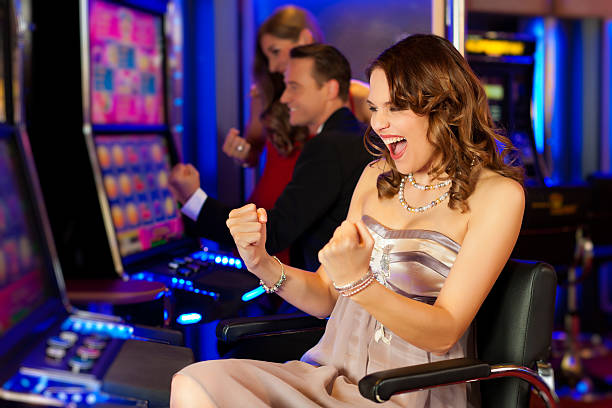
Lighting is another essential design element that influences engagement. Proper lighting can create a sense of drama and excitement, drawing attention to specific areas or games. Dim lighting in gaming sections contrasts with brighter lights in bars or restaurants, guiding guests’ experiences as they navigate through the venue. Additionally, flashing lights on slot machines and table games can create a sense of urgency and fun, drawing players in and encouraging them to take part in the action. This careful orchestration of design elements contributes to a vibrant and engaging casino atmosphere.
Creating a Sense of Urgency and Excitement
Casinos thrive on creating an environment filled with excitement and urgency, which can significantly impact player behavior. The strategic use of colors and designs is integral to this goal. The use of red and gold, for example, is commonplace, as these colors are thought to stimulate excitement and a competitive spirit. These choices can make guests feel invigorated, urging them to participate in games and place bets more frequently.
Architectural design plays a crucial role in maintaining momentum throughout the casino. High-stakes areas, often characterized by plush seating and vibrant colors, are intentionally designed to elevate the stakes and amplify the excitement for gamblers. This creates an atmosphere where players feel more inclined to take risks, leading to higher engagement levels. The thrill of potential rewards, combined with alluring designs, fosters an environment ripe for gaming activity and player investment.
Moreover, the use of sound in combination with visual elements amplifies the overall experience, creating an immersive environment where excitement reigns supreme. The sounds of cheers, cashing coins, and ambient music contribute to the energetic vibe that permeates a casino. This auditory stimulation, paired with strategic visual designs, enhances the urgency felt by players, making them more likely to stay engaged and active. The synergy of these elements is vital in sustaining the high-energy atmosphere typical of casinos.
Brand Identity Through Design Choices
Casinos also utilize specific colors and designs to reinforce their brand identity. Select design elements communicate the casino’s values, mission, and target audience. For instance, luxury casinos may opt for opulent golds and deep greens, portraying an image of exclusivity and sophistication that attracts high rollers. In contrast, family-friendly establishments might favor bright, playful colors that suggest fun and inclusivity. These design choices help to create a recognizable identity that resonates with potential guests.
Imagery and motifs also contribute to brand storytelling. For example, a casino that embodies the spirit of Las Vegas may incorporate neon lights and art deco elements to pay homage to its roots. This creates a unique experience that is instantly recognizable and appealing to tourists. By weaving brand narratives into design choices, casinos can cultivate a sense of loyalty and connection among patrons who resonate with the overarching theme of the establishment.
Additionally, consistency in design across all platforms—whether online or in physical locations—strengthens brand identity and recognition. A well-defined aesthetic can attract visitors seeking a particular experience. For example, casinos that maintain a consistent color theme in both their physical venues and online gaming platforms can enhance the overall experience for their customers. This cohesive design strategy helps to solidify the casino’s place in the market and increases its appeal to potential clientele.
The Role of Website Design in Casino Branding
In the digital age, the design of a casino’s website is equally essential in conveying brand identity and engaging visitors. Just as physical casinos utilize colors and designs to create an appealing environment, their websites must do the same. A well-designed website can capture the energy and excitement of the casino experience, making it an effective tool for attracting online traffic. The use of vibrant colors and dynamic layouts can entice guests to explore, ultimately leading to higher conversion rates.
Moreover, online casinos can leverage specific design elements to guide user experience, mirroring the strategies used in physical spaces. Intuitive layouts and clear navigation paths can facilitate a seamless user journey, encouraging visitors to place bets and engage with various games. High-quality graphics, animations, and eye-catching visuals can simulate the excitement of being in a real casino, keeping users engaged and entertained. Effective web design can elevate the online gaming experience, making it feel just as captivating as the physical space.
The importance of responsive design cannot be overstated in the realm of online casinos. With many users accessing gaming platforms from mobile devices, it is crucial that the design adapts seamlessly to different screens. A responsive design ensures that the aesthetic appeal and functionality remain consistent, allowing users to enjoy a cohesive experience regardless of the device used. By investing in website design that prioritizes user experience, casinos can foster loyalty and enhance their brand’s visibility in a competitive market.
